

A new World Bank report says hundreds of billions of dollars of subsidies to energy producers need to be used instead to “ensure a green and just transition.”
A new World Bank report says hundreds of billions of dollars of subsidies to energy producers need to be used instead to “ensure a green and just transition.”

Lower interest rates and longer-term paybacks that match the pace of underlying social progress are key to successful development finance, writes Jeffrey Sachs.

Oxfam estimated that “for every $1 the IMF encouraged a set of poor countries to spend on public goods, it has told them to cut four times more through austerity measures.”

Alternative sources of financing are beginning to empower poorer nations in the Global South to pursue projects grounded in genuine development theory, writes Vijay Prashad.

The World Bank has sounded the alarm, but the forces of “centrism” — beholden to billionaires and the politics of austerity — refuse to pivot away from the neoliberal catastrophe, writes Vijay Prashad.
Rising interest rates and slowing global growth risk tipping a large number of countries into crisis, Baher Kamal reports.
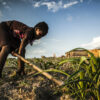
Small farmers are the world’s primary food providers. Adele says it’s imperative for policymakers to listen to them, not the big corporates.

The anti-inflation policies driven by the U.S. and the Eurozone are not going to ease the burdens on the working class in their countries and certainly not in the debt-ridden Global South, writes Vijay Prashad.

Memories of older forms of colonialism sharpen the way that many Africans view their treatment now, writes Vijay Prashad.

For an explanation of the massive inflationary wave that is now cresting on the world and causing widespread suffering and instability, Vijay Prashad turns to U.S. economic policy.