At the time, 50 years ago on Monday, the coup was seen as not just an attack on the Popular Unity government of Salvador Allende, writes Vijay Prashad. It was an attack on the Third World.
At the time, 50 years ago on Monday, the coup was seen as not just an attack on the Popular Unity government of Salvador Allende, writes Vijay Prashad. It was an attack on the Third World.
The People’s Forum — a participating organization in the trip — said travelers were held and questioned for hours at airports and phones were wrongfully seized and searched by custom officials.
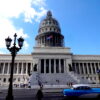
Marjorie Cohn reports on the Biden administration’s loyalty to Trump’s policy of maximum economic pressure on Cuba.
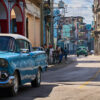
Thursday’s vote was 185-2. The only two “no” votes were those of the United States and Israel, with Ukraine and Brazil abstaining.

Rosa Miriam Elizalde reflects on U.S. restrictions on flights and remittances as a result of Biden’s continuation of Trump-era policies, which are compounding the hardships of the pandemic.
The more than 400 signatories include former heads of state, politicians, intellectuals, scientists, members of the clergy, artists, musicians and activists.
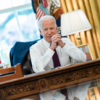
Marjorie Cohn explains what the U.S. president can do to alleviate the suffering of the Cuban people.
Increases in global food prices have aggravated an already precarious situation, writes William M. LeoGrande