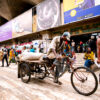
International donors are not heeding African farmers’ calls to change course, writes Timothy Wise ahead of the annual African Green Revolution Forum on Sept. 5-8 in Dar es Salaam, Tanzania.

International donors are not heeding African farmers’ calls to change course, writes Timothy Wise ahead of the annual African Green Revolution Forum on Sept. 5-8 in Dar es Salaam, Tanzania.
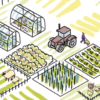
The South American country has more than enough arable land to feed its 46 million people, writes Vijay Prashad. But during the rise of agribusiness, hunger and landlessness is growing and spawning new forms of protest.

Orthodox economics is the ideology of the rich and powerful, writes Dian Maria Blandina. Poor countries such as Sudan, that are trying to develop, cannot afford a regime of free trade.
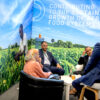
Beyond a new slogan, Timothy A. Wise and Jomo Kwame Sundaram see little evidence of any meaningful commitment to sustainable agriculture in AGRA’s $550 million plan for 2023–27.
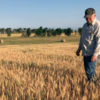
Amid persistent La Niña conditions and a generally hotter, thirstier atmosphere, Imtiaz Rangwala describes the various forms of drought that lie ahead, some of which coincide with higher levels of precipitation.
Last month’s ruling by the country’s Supreme Court fuels sustainable farming worldwide, writes Ernesto Hernández-López.

At COP26, there was a notable silence around the distorted food system that pollutes the Earth and our bodies, writes Vijay Prashad.

It’s just plain wrong to say the only way to grow food is with synthetic fertilizers, writes Timothy A. Wise.
Jomo Kwame Sundara warns about how the Davos World Economic Forum’s much touted “Fourth Industrial Revolution” (IR4.0) is transforming food systems. For instance, agriculture is now second only to the military in drone use.
Agricultural workers, farmers and social movements can teach us how the food system should be reorganized during this crisis, write Vijay Prashad and Richard Pithouse.