The U.S. is waging war on Russia without a congressional declaration and in violation of treaty that requires the consent of the United Nations, writes Andrew Napolitano.

The U.S. is waging war on Russia without a congressional declaration and in violation of treaty that requires the consent of the United Nations, writes Andrew Napolitano.

What happened on Election Day in the U.S. is the denouement of a story that goes back nearly six decades.
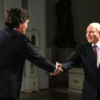
Vladimir Putin’s challenge was to tell Americans through Tucker Carlson a complicated and unfamiliar narrative of how dearly Ukrainians and Russians are paying for Putin’s initial naïve trust in the West, writes Tony Kevin.
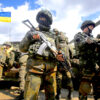
Combatting Russia to the last Ukrainian was always an odious strategy, writes Chas W. Freeman in this expansive overview.
Four events have shattered NATO’s drive for enlargement eastward. Now, decisions by the U.S. and Russia will matter enormously for the entire world’s peace, security and wellbeing.
Ukraine is being destroyed by U.S. arrogance, proving again Henry Kissinger’s adage that to be America’s enemy is dangerous, while to be its friend is fatal.

Natylie Baldwin interviews Soviet and Russian specialist Geoffrey Roberts on Putin’s decision to invade Ukraine, Europe’s role, Stalin and World War II.

With Angela Merkel’s revelations of Berlin’s duplicity in its dealings with Moscow, Cold War II just got colder.

Jeffrey D. Sachs says the U.S. president’s dismissal of diplomacy undermines his own party, prolongs the destruction of Ukraine and threatens nuclear war.