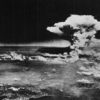
The film Oppenheimer has reignited discussion of the political and moral circumstances surrounding the U.S. atomic attack 78 years ago today on Hiroshima. Here are 10 articles CN ran on the 75th anniversary exploring the debate over the bomb.

The film Oppenheimer has reignited discussion of the political and moral circumstances surrounding the U.S. atomic attack 78 years ago today on Hiroshima. Here are 10 articles CN ran on the 75th anniversary exploring the debate over the bomb.
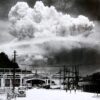
Japan was ready to surrender, making the atomic bombings of Hiroshima on Aug. 6, 1945, and Nagasaki two days later, totally unnecessary and morally indefensible, say a panel of scholars in two video discussions.