The next administration will be confronted with distinctly ominous decisions about the already monstrous U.S. nuclear arsenal, writes Michael Klare.

The next administration will be confronted with distinctly ominous decisions about the already monstrous U.S. nuclear arsenal, writes Michael Klare.
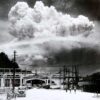
The U.S. has had a moral obligation to commemorate Nagasaki, but this year the U.S. refused to mark its murder of innocent Japanese by defending its murder of innocent Palestinians.

Enduring mythology about these mass civilian slaughters warps thinking about U.S. militarism, writes Brian McGlinchey.
On the 78th anniversary of the U.S. atom bombing of Hiroshima, an anti-nuclear war rally has gathered in front of United Nations headquarters on Sunday. Speakers include Scott Ritter. Watch it here.
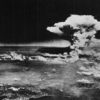
The film Oppenheimer has reignited discussion of the political and moral circumstances surrounding the U.S. atomic attack 78 years ago today on Hiroshima. Here are 10 articles CN ran on the 75th anniversary exploring the debate over the bomb.
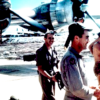
While the world focuses on the trials and travails of the scientists who invented the atomic bomb, little attention is paid to the hard positions taken by the nuclear executioners, the men called upon to drop these bombs in time of war.

Oppenheimer should be required viewing by all those in Washington who are bent on spending $1.7 trillion over the next decades to build new nuclear weapons to kill us all, writes Marcy Winograd.
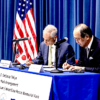
A U.S.-Japan “sister peace park” agreement angers representatives of the survivors of the 1945 atomic bombings of Japan, who want Washington to admit the “A-bomb did not end the war and save the lives of American soldiers.”
This is an undemocratic body that uses its historical power to impose its narrow interests on a world that is in the grip of a range of more pressing dilemmas. writes Vijay Prashad.
Hiroshima and Nagasaki were acts of premeditated mass murder unleashing a weapon of intrinsic criminality. It was justified by lies that form the bedrock of 21st century U.S. war propaganda, casting a new enemy, and target – China.