
Israel’s near-seven-decade oppression of the Palestinian people has cost it popular support worldwide and led Zionists to rely more and more on paid-off political allies to shield Israeli interests, observes Lawrence Davidson.
Israel’s near-seven-decade oppression of the Palestinian people has cost it popular support worldwide and led Zionists to rely more and more on paid-off political allies to shield Israeli interests, observes Lawrence Davidson.

The anti-Russian propaganda across the U.S. political/media system is so pervasive that even members of Congress know little about the events that launched a new Cold War, as Elizabeth Murray learned and David Swanson reported.
The Dallas police decision to use a robot-delivered bomb to kill the cornered shooter blamed for murdering five police officers raises troubling legal, technological and public-safety questions, writes Marjorie Cohn.
Exclusive: President Obama is keeping U.S. troops in Afghanistan fighting an unwinnable war for fear of the political consequences if he faces reality and admits defeat, an echo of Vietnam, writes Jonathan Marshall.
From the Archive: With still no end in sight for the Afghan War, President Obama can’t say he wasn’t warned. Barely two months into his presidency in 2009, ex-CIA analyst Ray McGovern welcomed Obama to his own Vietnam quagmire.

Hillary Clinton’s VP choice, Tim Kaine, is well liked Inside the Beltway, partly because he bends to pressure from Wall Street, DLC-style “centrists” and the austerity-pushing mainstream media, explains ex-bank regulator William K. Black.

The political crisis in Turkey, after a failed coup and mass arrests, sees President Erdogan consolidating his power and blaming his troubles on a Turkish exile living in Pennsylvania, as ex-CIA official Graham E. Fuller explains.

Using lethal drones to kill “bad guys” on the other side of the planet is offensive to many people on moral grounds, but a new study finds it is also ineffective in reducing terrorism, observes ex-CIA analyst Paul R. Pillar.
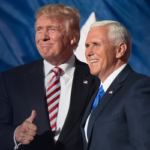
Ivanka Trump portrayed her father as a can-do executive with a big heart, but then Donald Trump opened his mouth, spewing forth what sounded like a call for a police state, as Bill Moyers and Michael Winship marveled.

Exclusive: In covering the new Cold War, The New York Times has lost its journalistic bearings, serving as a crude propaganda outlet publishing outlandish anti-Russian claims that may cross the line into fraud, reports Robert Parry.