

Hamas speaks for the frustration and disenchantment by Arabs toward the notion of international justice. Second of two-part article.
Hamas speaks for the frustration and disenchantment by Arabs toward the notion of international justice. Second of two-part article.

Ralph Nader says it matters greatly whether the aggregate toll so far, and counting, is three, four, five, six times more than the Gaza Health Ministry’s undercount.

Although a large section of the ruling BJP is pro-Zionist, S. Jaishankar’s ideology of neutral pragmatism prevails, writes Ullekh NP.

If Israeli apartheid were to disappear, oil and trade would still flow from the Middle East towards the West, write Jean Bricmont and Diana Johnstone.
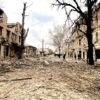
Recent disclosures provide an incomplete inventory of the West’s covert activities in Ukraine. There is more than we have been told, surely.

France’s Emmanuel Macron last week suggested the suicidal idea of sending NATO troops to Ukraine to confront Russia militarily.

An Israeli invasion of Rafah will not alter the battlefield in favor of the Israeli army, but it will be horrific for the displaced Palestinians, writes Ramzy Baroud.

Aaron Bushnell’s self-immolation was ultimately a religious act, one that radically delineates good and evil and calls us to resist.
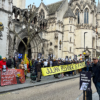
On the second day, Feb. 21, the U.S. and Home Office responded to Assange’s legal team in rather disjointed fashion, essentially just reiterating the accusations.

Close to the conclusion of the WikiLeaks publisher’s two-day U.K. High Court appeal against his extradition, a gaping hole appeared in plans to shunt him onto a plane to the U.S., writes Mary Kostakidis.